

Fleet Electrification
Fleet operators face complex charging operations, increasing energy costs, and the challenge of keeping vehicles always available.
Explore
Industry Reference
LOCATION: Ontario, Canada
TIME: 2016
DEPLOYMENT: 25 Canadian Charging Stations
CHARGING: DC Fast Charging + Dual Level 2
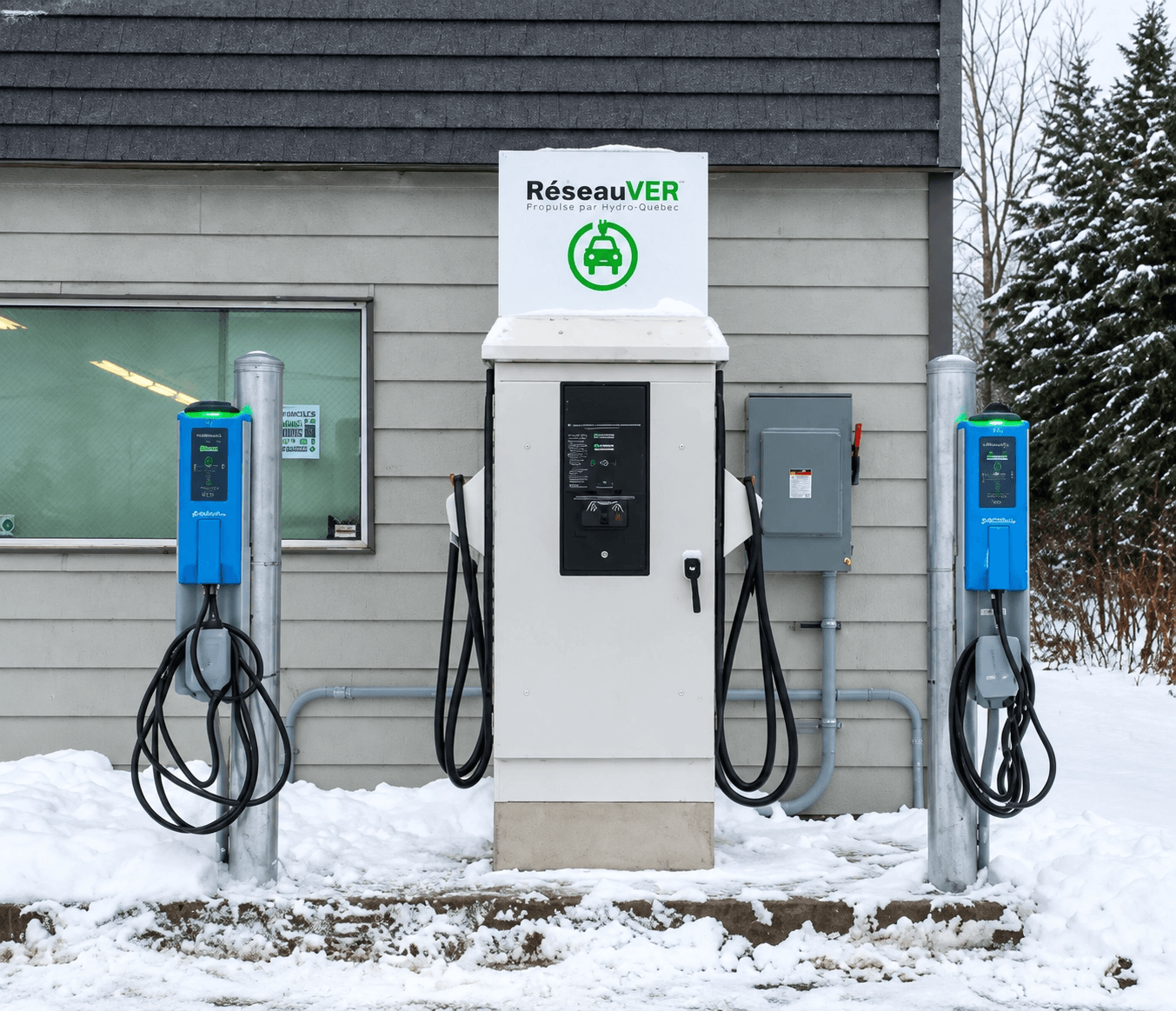
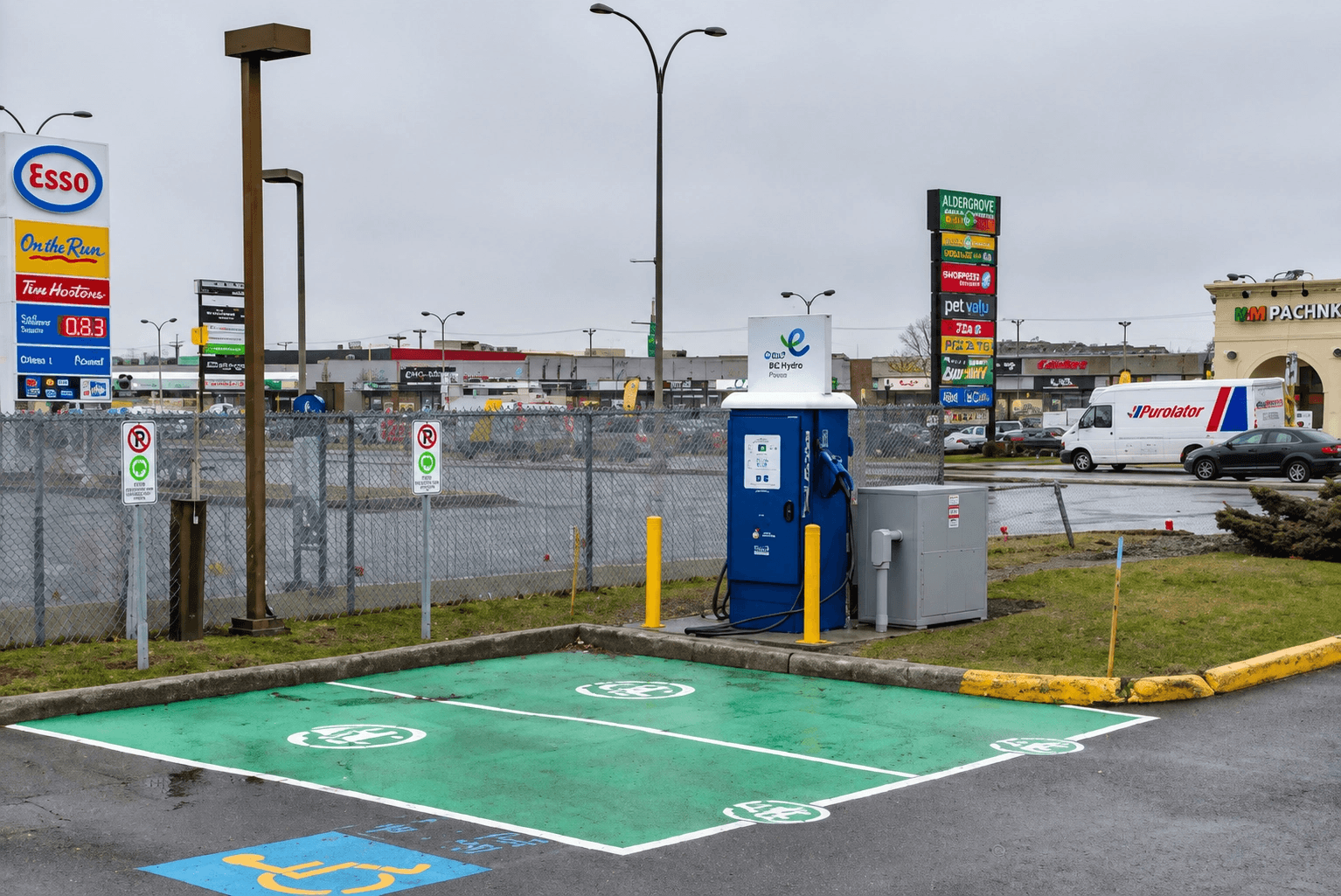
In December 2016, AddÉnergie announced a program to deploy 25 electric-vehicle fast-charging stations at Canadian Tire Gas+ locations across Ontario as part of the expansion of the FLO charging network. The program was supported by Natural Resources Canada and was designed to strengthen EV charging availability along important transportation corridors.
The project combined charging infrastructure with existing retail and roadside locations. This created a distributed deployment model in which charging could be placed where drivers already stop, while the sites remained connected to a centralized network for operation and monitoring.
Not every EV driver has the same dwell time or charging requirement. Highway and roadside users may need a rapid energy top-up before continuing their journey, while drivers with longer shopping or stopping periods can use slower Level 2 charging.
Rolling out infrastructure across 25 separate locations introduces consistency and operational challenges that do not exist at a single-site installation. Equipment configuration, user access, communications, monitoring and service quality need to remain consistent as the network expands.
The charging equipment was designed and manufactured in Canada, with the source material specifically noting design for harsh weather conditions. For roadside infrastructure, equipment reliability and service continuity are critical because the site may serve drivers who have few immediate alternatives.
Each project location was planned around a DC fast charger. According to the project announcement, the DCFC was designed to bring most compatible EVs to approximately 80% charge in 20–30 minutes, depending on the vehicle. The chargers supported CHAdeMO and SAE Combo vehicle interfaces.
Each location also included a dual Level 2 charging station. Level 2 charging provided a complementary option for drivers whose vehicles remained parked longer, and the dual configuration could serve two EVs simultaneously.
The stations were connected to the FLO charging network and remotely monitored by AddÉnergie's national operations centre. This network layer supported centralized visibility of charging infrastructure and service quality across geographically distributed locations.
The project demonstrates the importance of the network layer in a multi-site charging deployment. Connecting geographically distributed stations to a centralized operating and monitoring system helps turn individual charging points into a coordinated charging network.
For future retail, destination and highway charging projects, the reference highlights four considerations: site selection along travel corridors, mixed charging speeds, and centralized network operations.


