

Fleet Electrification
Fleet operators face complex charging operations, increasing energy costs, and the challenge of keeping vehicles always available.
Explore
Industry Reference
LOCATION: Paris, France
TIME: 2016
FLEET: 109 Bluebus 12 m Electric Buses
CHARGING: 65 kW DC Charging
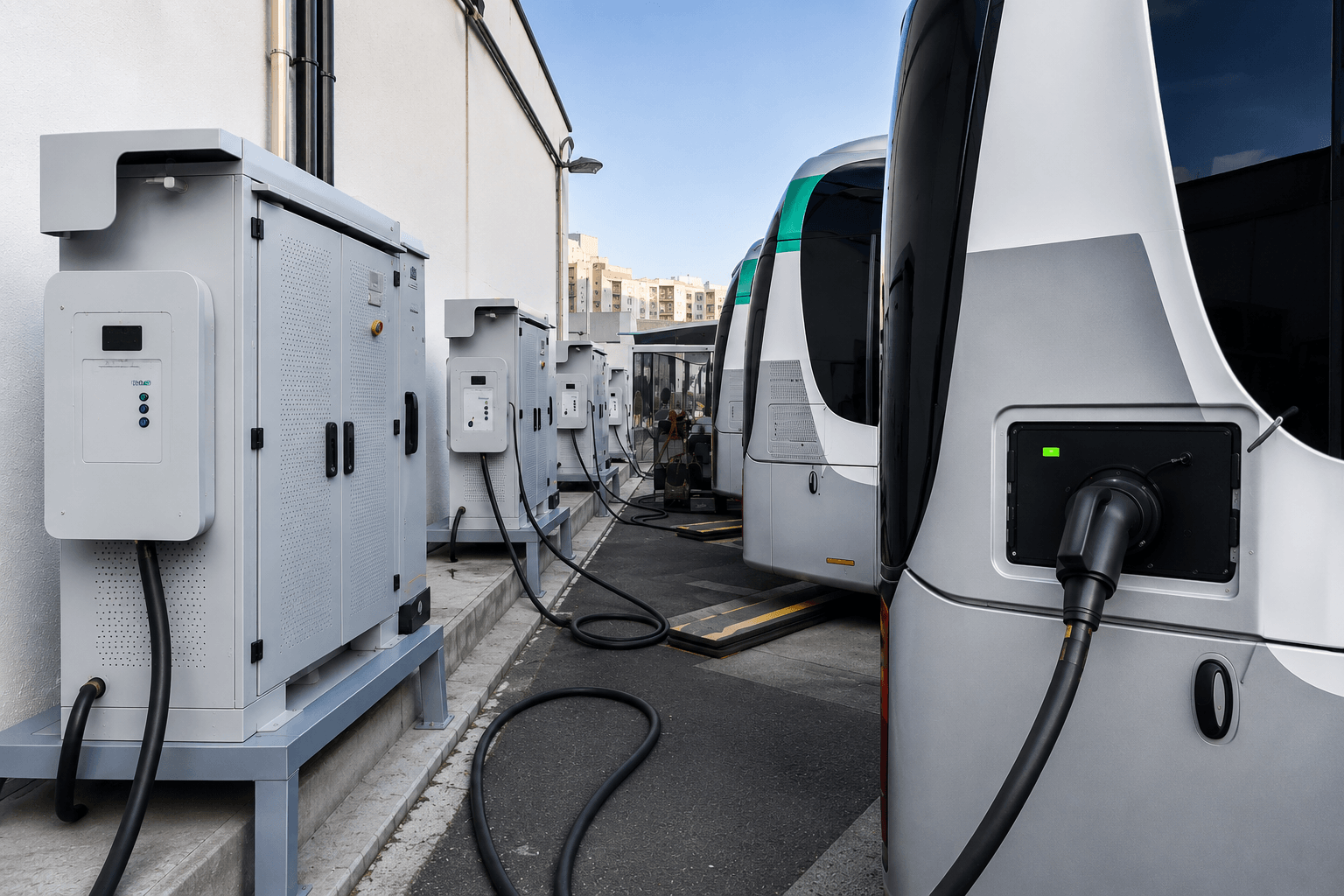
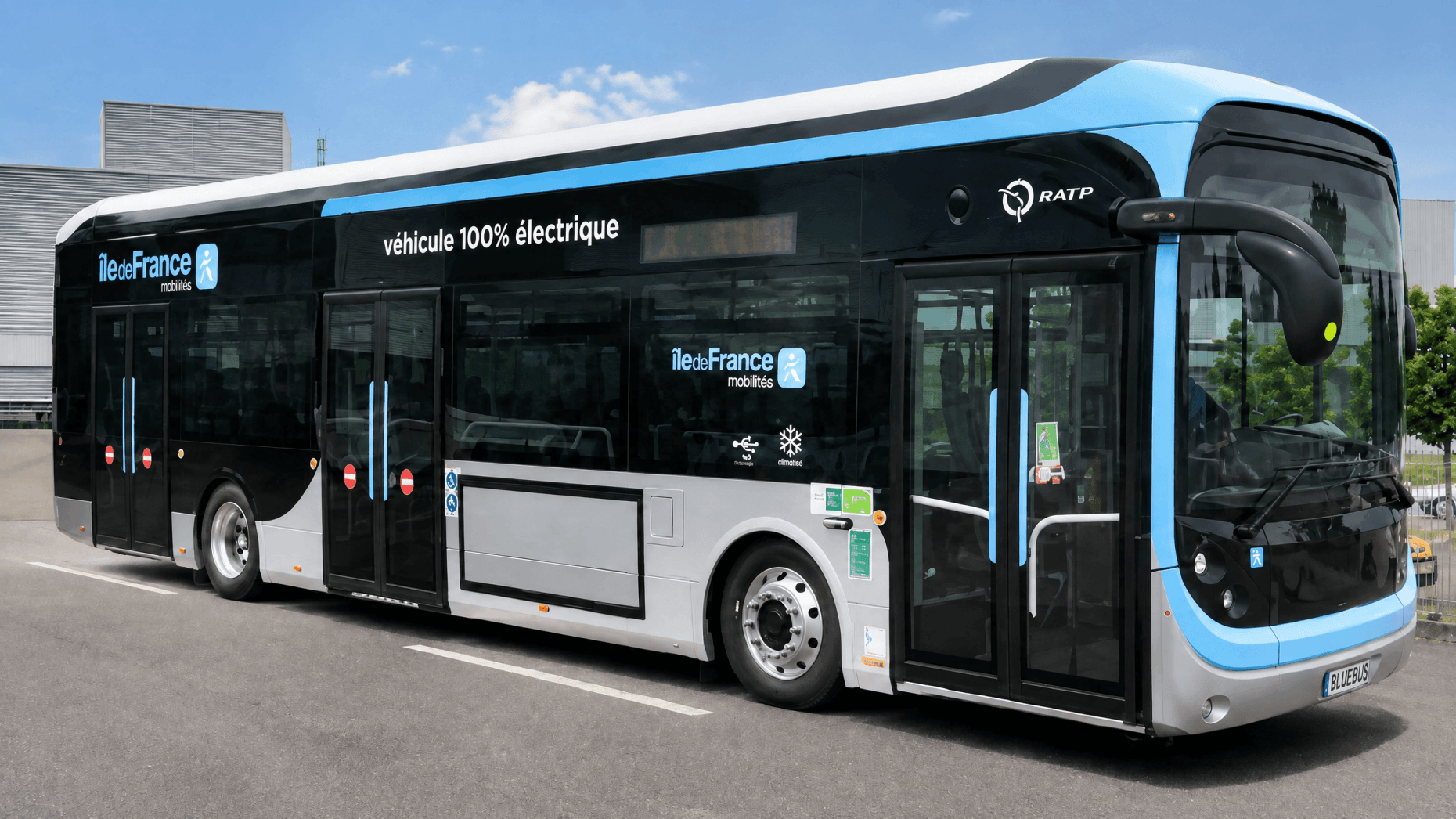
The project supported the electrification of Paris urban public transport, with operations associated with RATP and the broader Ile-de-France public transport program. The deployment involved 109 Bluebus 12 m pure-electric buses and 65 kW charging equipment. The program followed earlier Bluebus procurement and formed part of the transition toward electric urban bus operations.
For a high-utilization city bus fleet, the charging system could not be treated as a standalone piece of equipment. Charging had to fit the fleet's daily operating rhythm, accommodate the battery's thermal characteristics, and remain within the electrical capacity available at the depot.
Urban buses operate on repeated daily routes with limited tolerance for charging-related delays. Vehicles must return to the depot, replenish sufficient energy, and be ready for the next operating cycle. With a large fleet, the charging strategy therefore has to protect vehicle availability.
The fleet's daily operating schedule left a defined overnight period for energy replenishment. Because many buses could arrive within a similar time window, charging demand had to be coordinated so that the available time was used effectively across the fleet.
The Bluebus fleet used LMP battery technology with distinctive thermal characteristics. The battery system required controlled heating to approximately 60–80 °C to reach its intended operating condition, while its relatively low energy density placed additional importance on charging and thermal management. This meant the charging solution had to support not only energy replenishment, but also the battery's operating requirements.
Simultaneous charging of a large number of buses can create a concentrated electrical load. In an existing urban power environment, uncontrolled charging could increase peak demand and contribute to voltage fluctuation or instability. The charging system therefore needed to coordinate total site demand rather than operate every charger at full power at the same time.
65 kW DC fast-charging equipment was selected for the bus fleet. The charging configuration was matched to the operating requirements of the Bluebus vehicles, providing a practical balance between charging power, charging time and depot electrical capacity.
Charging was organized around vehicle arrival, departure and route requirements. The charging schedule could be arranged by operational priority and available time, ensuring that required vehicles received sufficient energy within the overnight window.
A coordinated charging-management approach was used to sequence charging demand according to fleet operating needs and the available charging window. This reduced the need for all charging points to draw maximum power simultaneously and improved the utilization of the site's available electrical capacity.
Charging equipment supported dynamic power adjustment and real-time monitoring of overall site electrical demand. During periods of higher electrical load, individual charger output could be reduced to control the aggregate charging curve. This allowed fleet charging to be integrated more smoothly with the existing city grid load while maintaining the overall charging objective.
This reference demonstrates that large-scale electric bus deployment depends on the integration of vehicle characteristics, charging infrastructure, fleet scheduling and site power management. For high-frequency urban fleets, the charging solution must solve three problems simultaneously: replenish energy within a limited operating window, accommodate battery thermal requirements, and prevent concentrated charging demand from placing unnecessary stress on the existing electrical infrastructure.
The project therefore provides a practical reference for depot-based fleet electrification where charging capacity, operating schedules and grid constraints must be considered together from the outset.


